Chess Sale


Credit Card Services


Chess is a Great Value
Have Fun and Build Skills

Chess is a Great Value!

An often overlooked facet of chess history is the close link between the royal game's relative popularity and economics. Although not frequently mentioned, there is a fact which generally holds true: chess becomes very popular during tough economic times because of its great value not only as an entertaining game but as a skill builder.

Of course there is an obvious link between economic downturns and cheap entertainment. You'll often hear it mentioned that movies were very popular during the Great Depression of the 1930's. In those days, filmmakers worked much more cheaply than they do today and the price of a movie ticket then was much more affordable than now (even adjusted for inflation). People flocked to theatres in droves to watch movies and to forget their own problems, if only for a couple of hours.

Popularity of Board Games

Less frequently mentioned, but no less factual, is the enormous popularity which boardgames enjoyed during that same period. Many commercial boardgames were produced quite cheaply; a family or individual could purchase an affordable game which was not only a tangible product (as opposed to something transitory like a movie ticket) but which would also provide many, many hours of fun and enjoyment. Not only were the "old standbys" like chess and checkers popular, but dozens of commercial boardgames were also invented and produced during the Depression era. Some of these are still wildly popular today, most notably Monopoly which owes not only its origin but also its primary theme to the economic climate of that time.

Chess in the United States enjoyed a huge upsurge in popularity during the early to mid-1970's, spurred mainly by the triumph of America's first official World Chess Champion Bobby Fischer in winning that title in 1972. But people often overlook the economic state of that period which also played a contributing factor in the popularity of chess. The world economy was in bad shape, with price inflation outstripping many workers' ability to cope with the rising prices (in response, U.S. president Richard Nixon instituted a ninety day "freeze" on wages and prices; this occurred shortly before the 1972 World Chess Championship began). Chess became popular not only because of Fischer's victory, but also because of chess' relative affordability during a difficult economic time.

Chess as an "Escape" Mechanism

It has often been said that the act of playing chess doesn't allow the "outside world" to intrude on one's thoughts, and that's certainly true. When one is engrossed in a game of chess, he or she isn't thinking about politics or the economy or the stresses of daily living (job, family or personal problems and finances); for those precious minutes while the game lasts, all that exists is the game. When times are tough, chess can be an excellent form of escape.

What makes chess demonstrably more valuable as a hobby than other "escapes" is that it's a constructive pursuit. Chess challenges the player to not only succeed but to excel. It's an easy game to learn but one which is quite difficult to master; improving one's chess skills can be literally a lifetime pursuit. Chess allows us to exercise not only logical thought, but creativity and imagination. The mental gymnastics of the game help its players to improve their memory skills and problem-solving abilities. Chess has often been recommended as a mind improvement tool not only for young developing children but also as a means of delaying (or even preventing) mental deterioration in the elderly. A person requires mental exercise just as one needs physical exercise, and chess is a great way to keep one's mind sharp and agile.

Chess Builds Skills

Chess also helps build character; we not only learn to lose well (and learn lessons from those losses), but also to win well; chess is truly, at its heart, a social game. And though chessplayers compete against each other, they're also simultaneously testing themselves.

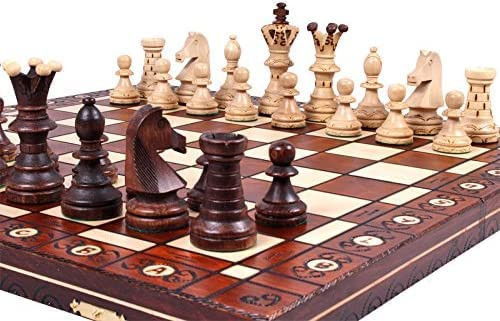
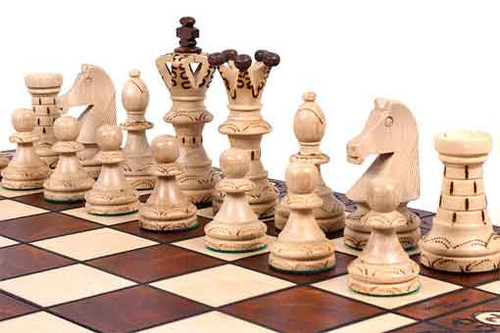
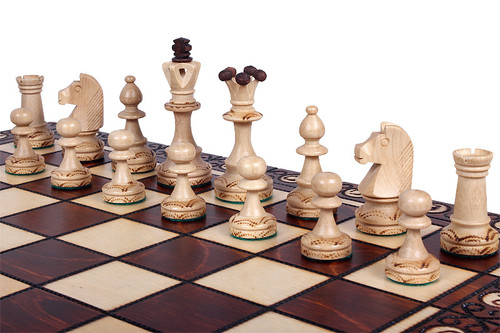
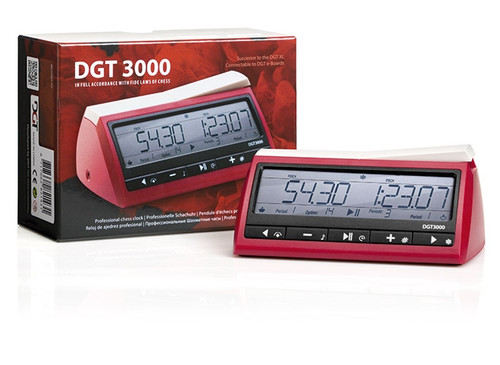
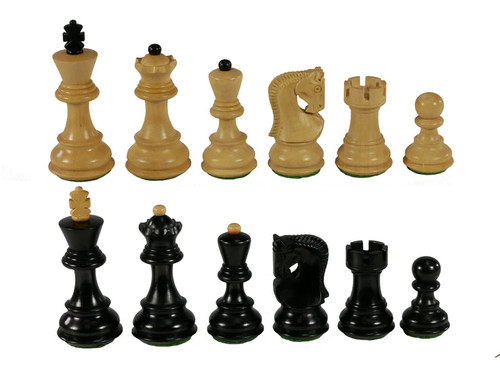
Best of all, chess is not an expensive hobby. Although one could conceivably spend a great deal of money on chess (accumulating many books, sets, computers, clocks, etc. along the way), such an expense isn't required. A good durable chess set, which will last through many years of normal use, can be purchased for as little as $20.

Again, it is a demonstrable phenomenon: when times get tough, people turn to chess for inexpensive relaxation and enjoyment. And even when economic times get better, many of these folks remain chess players, because they recognize not only the positive mental benefits of playing the game but, perhaps more importantly, the core truth: chess is fun. For the cost of a very few dollars, one can enjoy a lifetime of challenge, learning, and fun by playing chess - one of the world's oldest and most popular boardgames.


© 2008, Steven A. Lopez and ChessCentral. All rights reserved. 

New Chess Products

Free
Holiday Gifts
with
Every Purchase!

Chess Best Sellers


Chess Articles
Chess Downloads