Chess Sale


Credit Card Services


Rybka 3 In-Depth Report: A Plethora of Chess Engines
Part 1

Rybka 3 In-Depth Report - Part One

A Plethora of Chess Engines

by Steve Lopez

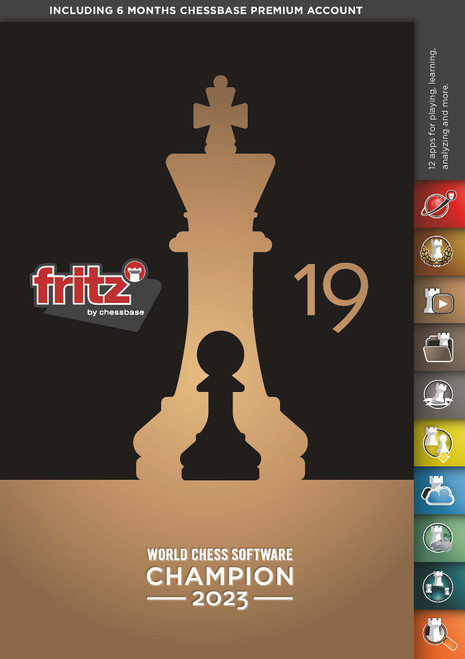
The chess engine everybody's been talking about - Rybka - is now part of the Fritz "family" of playing programs. The ChessBase-distributed version of Rybka 3 comes in the familiar "wrapper" of the Fritz family (the ChessProgram11 GUI), so it shares the features of the Fritz interface, including playing and analysis modes. But Rybka possesses several twists all its own, and we'll be exploring these in this special series of 5 articles.

The first thing that catches your attention about Rybka is the, ahem, generous number of engines which ship with the program. If you combine the Rybka 3 and Deep Rybka 3 packages, there are a whopping sixteen total Rybka engines available for your use!

Let's break it down further and see what these engines offer. The first distinction is between the two Rybka packages which ChessBase offers. Rybka 3 is the standard GUI and engine package, while Deep Rybka 3 is designed for multiprocessor machines. Each of the two Rybka versions contain eight engines as part of each package.

Both packages each contain a further two sets of engines - four each of 32-bit and 64-bit engines. The 64-bit engines run only under Windows versions which support 64-bit processing, while the 32-bit engines run under either 32-bit Windows or 64-bit Windows. You don't need to make any kind of purchasing or installation choice here - whichever version of Rybka 3 you purchase and install, the proper engines will be installed automatically.

Each of these two sets contains four engines each; these engines are tweaked differently to provide different results:

* Chess
* Human
* Dynamic
* Chess 960

These four engines will be described below. Each of these four engines comes in 32-bit and 64-bit versions, so you get eight engines in a Rybka package. Double this (for the two packages: Rybka 3 and Deep Rybka 3) and you get a total of sixteen Rybka 3 engines.

What exactly are these four Rybka 3 engines? We'll start at the end of the list first. Chess960 is a variant of Fischerrandom chess. If you start a Chess 960 game in the Fritz/Rybka GUI, the Chess960 engine will be selected automatically by the software as a default.

The remaining three engines are traditional chess engines, but are "tweaked" differently from each other; consequently you'll often get different advice/variations/results from them.

The Chess engine is the standard computer chess engine. It does the thing you expect from a chess computer: plays strong moves and a very tough game. It tends to play the way a computer plays: favoring tactical play at the expense of ignoring subtler positional nuances. It tries to evaluate as many positions as it can as quickly as possible, sacrificing chess "knowledge" for raw speed and power.

The Human engine tends to play chess more like a person would play the game. More positional chess knowledge is built into the engine's evaluation functions. Because it has to run down a sort of "checklist" of positional evaluation criteria, it will assess positions somewhat more slowly than the other two, more tactical, engines, but will tend to be better at finding positional (even "thematic") solutions to problems encountered in a chess game.

The Dynamic engine is a tactical monster and is, in many ways, the exact opposite of the Human engine. The Dynamic engine is best at finding compensation for sacrificed material, so it's a great engine for evaluating middlegame positions arising from gambit openings.

Incidentally, it's certainly possible to load and run more than one of these engines at a time (for example, use the Chess engine as the regular analysis engine and load the Human engine as a "kibitzer"). In fact, at least one new Rybka feature will actually use the same engine twice for a special evaluation function, and we'll examine it closely in a future column.

Don't pass up your chance to get Steve Lopez's Guide to Computer Chess. The CD is a complete step-by-step tutorial on how to use Fritz Family of chess software programs (and other chessplaying programs, such as Chessmaster) to improve your chess game. While the bulk of the CD consists of explanations of Fritz' features and how they work. Click here to learn more


© 2008, Steven A. Lopez. All rights reserved.

New Chess Products

Free
Holiday Gifts
with
Every Purchase!

Chess Best Sellers


Chess Articles
Chess Downloads